Concrete4U | Concrete Admixtures, Tools, and Production Machines

Admixtures Are the Secret Sauce Behind High-Performance Concrete
1. Introduction
Ever wonder how skyscrapers stand tall, bridges last decades, or driveways stay crack-free through harsh winters? The answer often lies not just in cement and aggregate—but in admixtures. These concrete additives are the unsung heroes of modern construction, fine-tuning everything from pour time to freeze-thaw resistance.
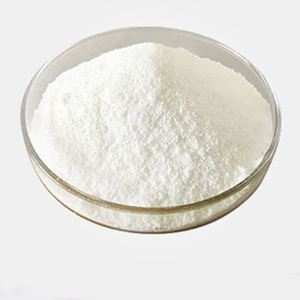
Admixtures—also called ad mixtures or concrete chemicals—are materials added to concrete before or during mixing to modify its properties. Whether you’re aiming for faster curing, better flow, or a wood-like finish on your home’s siding, there’s likely an admixture for that.
2. Why Use Admixtures?
Concrete on its own is strong but limited. Admixtures expand its capabilities without compromising structural integrity. They can reduce water content, speed up or delay setting time, improve finishability, add color, or even make concrete waterproof.
From residential patios to massive infrastructure projects, using the best admixture for concrete ensures efficiency, cost savings, and long-term performance.
3. Major Types of Concrete Admixtures
Admixture types fall into two broad categories: chemical and mineral. Chemical admixtures include liquids or powders that react with cement, while mineral admixtures (like fly ash or silica fume) are finely ground materials that enhance strength and durability.
Let’s break down the most common ones used in concrete today.
4. Water-Reducing Admixtures and Superplasticizers
Water reducing admixtures lower the water-cement ratio without sacrificing workability. This leads to stronger, denser concrete. Among these, superplasticizers are the heavy hitters.
Superplasticizer in concrete—often based on polycarboxylate ether (PCE)—can reduce water by 30% or more while maintaining excellent flow. That’s why they’re essential for high-strength and self-consolidating concrete.
Also known as super plasticizers, high-range water reducers, or concrete water reducers, these admixtures are widely used in precast plants and ready-mix operations. Popular options include PCE-based superplasticizer, naphthalene sulfonate, and melamine superplasticizer.
5. Setting Time Modifiers: Accelerators and Retarders
Need concrete to cure fast? Use a concrete accelerator. These accelerating admixtures for concrete shorten setting time and boost early strength—ideal for cold weather or emergency repairs.
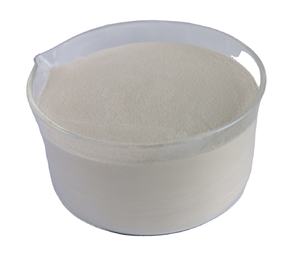
On the flip side, a concrete retarder delays hydration, giving crews more time to place and finish large pours in hot climates. Surface retarder concrete is even used to expose aggregates for decorative finishes.
Both admixture retarder and accelerator types are crucial for controlling concrete accelerator curing time and avoiding cracks or weak spots.
6. Air-Entraining Admixtures
Air entraining concrete contains microscopic air bubbles that act as pressure relief valves during freeze-thaw cycles. This dramatically improves durability in cold regions.
An air entraining admixture—sometimes called an air entraining agent or air entraining cement additive—introduces these bubbles uniformly throughout the mix. Without it, concrete exposed to winter weather would spall and deteriorate quickly.
7. Waterproofing and Integral Protection
Want concrete that repels water from within? Enter waterproofing admixtures. These include integral waterproofers, crystalline waterproofing admixtures, and cement waterproofing additives.
Unlike surface sealers, admixture waterproofing works internally, blocking capillary pores. Products like concrete waterproof admix or waterproof admix create a permanent barrier, making them ideal for basements, tunnels, and water tanks.
8. Fiber Reinforcement
Fibers for concrete—such as polypropylene fibres, steel fibers, or even coconut fiber—add tensile strength and reduce cracking. This leads to fiber reinforced concrete that’s tougher and more impact-resistant.
Whether it’s macro fibers for industrial floors or microfibers for countertops, reinforcement fiber for concrete enhances performance without traditional rebar in many applications.
Note: While concrete fiber siding (like Hardie or CertainTeed products) uses fiber-cement composites for homes, that’s different from structural fiber reinforcement in poured concrete.
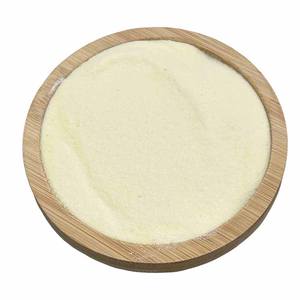
9. Foaming Agents for Lightweight Concrete
Foaming agent for foam concrete creates cellular lightweight concrete (CLC), used in blocks, insulation, and void filling. CLC foaming agents—protein-based or synthetic—generate stable air bubbles, reducing density while maintaining decent strength.
Equipment like concrete foaming machines or foamcrete machines rely on quality foaming agent used in concrete to produce consistent aircrete or CLC blocks.
10. Color, Release, and Aesthetic Additives
Colored concrete isn’t just painted—it’s often mixed with pigment powders. Stamped concrete colors range from charcoal and terra cotta to white and blue, offering endless design options.
To stamp patterns without sticking, contractors use concrete release agents—powder or spray types like mould release spray or form release oil. These also add subtle color accents to stamped surfaces.
For bright finishes, white cement is preferred. It’s used in white concrete countertops, pavers, and decorative mortar, often paired with superplasticizer to maintain workability.
11. Choosing the Right Admixture
The best admixture for concrete depends on your project’s needs: climate, timeline, strength requirements, and aesthetics. Brands like Chryso offer specialized formulations, but always check compatibility with your cement type.
Remember: even small dosages of chemical admixture for concrete can have big effects. Always follow manufacturer guidelines and consider lab testing for critical applications.
12. Conclusion
Admixtures transform ordinary concrete into a high-performance, versatile building material. From superplasticizer admixture that enables sleek architectural forms to air entraining agents that battle winter damage, these concrete additives solve real-world challenges every day.
Whether you’re a contractor, engineer, or DIY homeowner exploring concrete siding for homes or colored stamped driveways, understanding admixture types unlocks smarter, more durable builds.
Our Website founded on October 17, 2012, is a high-tech enterprise committed to the research and development, production, processing, sales and technical services of ceramic relative materials such as Admixtures. Our products includes but not limited to Boron Carbide Ceramic Products, Boron Nitride Ceramic Products, Silicon Carbide Ceramic Products, Silicon Nitride Ceramic Products, Zirconium Dioxide Ceramic Products, etc. If you are interested, please feel free to contact us.