Concrete-mesa | Concrete Admixtures, Tools, and Production Machines

How to Choose and Use Concrete Admixtures Like a Pro (Without Turning Your Slab Into Soup)
1. Introduction
Just 24 hours ago, a viral TikTok video showed a backyard patio pour collapsing into a gray puddle because someone dumped in ‘a little extra’ superplasticizer thinking it’d make the mix ‘extra smooth.’ Spoiler: It didn’t. Instead, it created what engineers politely call ‘over-slump soup.’ Don’t be that person.
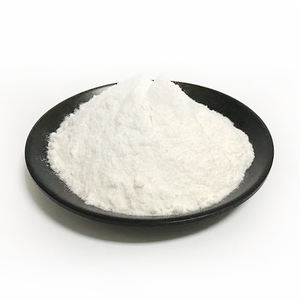
Concrete admixtures are powerful—but finicky—helpers. Get them right, and your slab sets fast, resists water, or even looks like wood. Get them wrong, and you’re staring at a $5,000 paperweight. This guide cuts through the jargon so you can use admixtures like a seasoned pro.
2. Know Your Admixture Types
Not all concrete additives are created equal. Broadly, admixture types fall into chemical and mineral categories. Chemical admixtures include superplasticizers, accelerators, and air-entraining agents. Mineral admixtures—like fly ash or silica fume—improve long-term strength.
- Water reducing admixtures (like superplasticizer) cut water content while boosting flow.
- Concrete accelerator speeds curing—great for cold weather.
- Concrete retarder delays setting—ideal for hot days or big pours.
- Air entraining concrete adds microscopic bubbles for freeze-thaw resistance.
- Waterproofing admixture (or integral waterproofer) blocks moisture from within.
3. Step-by-Step: Choosing the Best Admixture for Concrete
Ask yourself three questions before buying any admixture used in concrete:
First: What’s your biggest problem? Cracking? Slow cure? Water seepage?
Second: What’s your climate? Hot = consider concrete retarder admixture. Cold = accelerating admixtures for concrete.
Third: Are you mixing by hand or with a truck? Hand-mixers need user-friendly doses; ready-mix pros can handle polycarboxylate ether superplasticizer with precision.
For most DIY projects, a mid-range water reducer or plasticizer for concrete offers the best bang for buck. Brands like Chryso admixture or generic superplasticizer from Home Depot work fine—if dosed correctly.
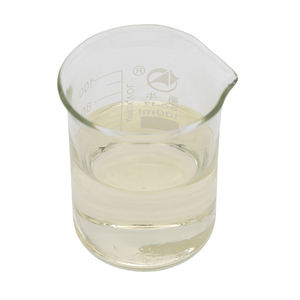
4. How to Add Superplasticizer Without Creating Disaster
Superplasticizer in concrete is a game-changer—it can reduce water by 30% while keeping your mix buttery smooth. But here’s the catch: too much turns your concrete into soup. Literally.
Always follow the manufacturer’s dosage (usually 0.5–2% by cement weight). Never eyeball it. Use a measuring cup or scale.
Add superplasticizer admixture to the mix water *before* adding cement—not after. This ensures even dispersion and avoids clumping.
Pro tip: Polycarboxylate-based superplasticizers (PCE) offer longer workability than old-school naphthalene types. They’re pricier but worth it for stamped or colored concrete.
5. Solving Common Admixture Problems
Problem: Concrete set too fast and cracked.
Solution: You likely overused concrete accelerator. Next time, use half the dose—or switch to a concrete retarder in hot weather.
Problem: Surface is flaking after winter.
Solution: You skipped air entraining admixture. Add an air entraining agent (typically 0.05–0.2% of cement weight) to create protective micro-bubbles.
Problem: Water’s seeping through basement walls.
Solution: Standard sealers won’t cut it. Use a crystalline waterproofing admixture or cement waterproofing additive mixed directly into the batch. These react with moisture to form permanent crystals that block pores.
6. Bonus: Fiber Reinforcement & Other Smart Additives
Want crack-resistant driveways or patios? Add fibers for concrete. Polypropylene fibres for concrete (PP fiber concrete) prevent plastic shrinkage cracks. Steel fibers for concrete boost structural toughness.
Fiber reinforced concrete is now standard in commercial slabs—and it’s easy for homeowners too. Just toss macro fibers or microfibers into the mixer with your other ingredients.
And yes, coconut fiber reinforced concrete is a real (though niche) thing—but stick to polypropylene unless you’re building a sustainable treehouse.
7. Final Dos and Don’ts
- DO read the bio data sheet (technical spec sheet) before using any admixture chemical.
- DON’T mix multiple admixtures unless the manufacturer says it’s safe. Some superplasticizers react badly with certain accelerators.
- DO test small batches first—especially with colored concrete or stamp release agents.
- DON’T assume ‘more is better.’ Admixtures are potent. Precision beats enthusiasm.
8. Conclusion
Concrete admixtures aren’t magic potions—they’re precision tools. Whether you’re using a concrete water reducer to ease placement, an integral waterproofer for a basement, or fibers for crack control, respect the dosage and purpose. Do that, and your next pour won’t just hold up—it’ll impress. And no, it won’t look like soup.
Our Website founded on October 17, 2012, is a high-tech enterprise committed to the research and development, production, processing, sales and technical services of ceramic relative materials such as How. Our products includes but not limited to Boron Carbide Ceramic Products, Boron Nitride Ceramic Products, Silicon Carbide Ceramic Products, Silicon Nitride Ceramic Products, Zirconium Dioxide Ceramic Products, etc. If you are interested, please feel free to contact us.