Concrete4U | Concrete Admixtures, Tools, and Production Machines

What Are Admixtures and How Do They Transform Modern Concrete Performance?
1. Introduction
In the past 48 hours, global construction material suppliers have reported a surge in demand for high-performance concrete admixtures, driven by infrastructure projects prioritizing sustainability and rapid curing. Companies like Chryso and BASF are rolling out next-generation polycarboxylate ether (PCE) superplasticizers that reduce water content by up to 40% while maintaining flowability—a critical innovation amid tightening environmental regulations.
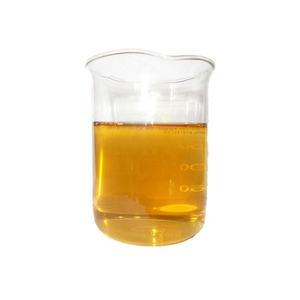
Admixtures—also referred to as concrete additives or cement admixtures—are chemical, mineral, or fibrous materials added to concrete before or during mixing to modify its properties. These substances play a pivotal role in modern construction, enabling engineers to tailor concrete performance to specific environmental conditions, structural requirements, and aesthetic goals. From skyscrapers to residential driveways, admixtures ensure durability, efficiency, and versatility.
2. Understanding Admixture Types
Admixture types fall into two broad categories: chemical and mineral. Chemical admixtures include liquid or powder formulations that influence setting time, workability, or strength. Mineral admixtures, such as fly ash or silica fume, enhance long-term durability and reduce cement consumption. The choice of admixture depends on project specifications, climate, and desired outcomes.
- Water reducing admixtures improve workability without adding extra water.
- Accelerating admixtures for concrete shorten curing time, ideal for cold-weather pours.
- Concrete retarder admixtures delay setting, useful in hot climates or large placements.
- Air entraining admixture introduces microscopic air bubbles to boost freeze-thaw resistance.
- Integral waterproofer and crystalline waterproofing admixture provide long-term moisture protection.
3. Superplasticizers: The Game-Changer in Concrete Technology
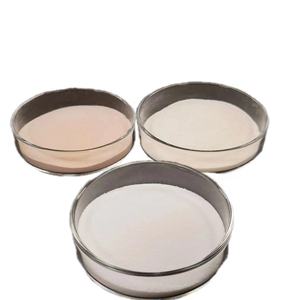
Among the most impactful concrete chemicals are superplasticizers—high-range water reducers that dramatically increase fluidity while cutting water content. Also known as super plasticizers or plasticizer for concrete, these admixtures enable self-consolidating and high-strength concrete mixes. Polycarboxylate ether (PCE)-based superplasticizers are now preferred over older naphthalene or melamine variants due to superior slump retention and compatibility with supplementary cementitious materials.
Superplasticizer in concrete allows for reduced cement usage, lowering the carbon footprint of construction. Leading products like Chryso admixture leverage PCE technology to deliver consistent performance across diverse applications—from precast elements to pumped high-rise structures. When selecting the best admixture for concrete, engineers often prioritize PCE-based superplasticizer admixture for its efficiency and eco-friendliness.
4. Waterproofing and Durability Enhancers
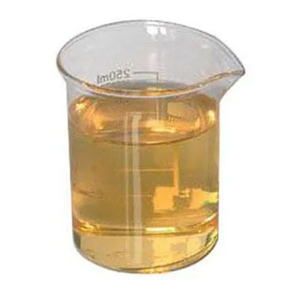
Waterproofing admixture for concrete is essential in basements, tunnels, and marine structures. Options include integral waterproofers, cement waterproofing additives, and crystalline systems that react with moisture to seal capillaries. These concrete waterproof admix solutions eliminate the need for external membranes, reducing labor and long-term maintenance costs. Admixture waterproofing technologies continue to evolve, with nano-silica and hydrophobic polymers gaining traction.
5. Fiber Reinforcement and Specialty Additives
Fibers for concrete—such as polypropylene fibres for concrete, steel fibers for concrete, and even coconut fiber reinforced concrete—enhance tensile strength, crack resistance, and impact durability. Fiber reinforced concrete is widely used in industrial floors, shotcrete, and seismic zones. Macro fibers and microfibers serve distinct roles: macro fibers control post-crack behavior, while microfibers reduce plastic shrinkage.
Beyond structural reinforcement, additives like concrete foaming agent enable lightweight cellular concrete (aircrete), crucial for insulation blocks and void filling. Protein-based and synthetic foaming agents create stable foam for CLC (cellular lightweight concrete) production, with pricing and performance varying by formulation.
6. Aesthetic and Functional Surface Treatments
For decorative applications, colored concrete and stamped concrete rely on pigments, release agents, and surface retarders. Powder concrete colorants, concrete stain powder, and tinted concrete allow architects to mimic natural stone or wood. Release agents—spray, oil, or powder-based—prevent stamps from sticking during patterning. Modern concrete siding options, including Hardie and CertainTeed fibercement siding, use fiber reinforcement to achieve a wood-like appearance with superior fire and pest resistance.
7. Conclusion
Admixtures are indispensable in today’s construction landscape, transforming ordinary concrete into a high-performance, adaptable, and sustainable material. Whether through superplasticizer admixture for fluidity, air entraining agents for resilience, or waterproof admix for longevity, these concrete additives address complex engineering challenges efficiently. As innovations like PCE superplasticizers and bio-based foaming agents gain momentum, the future of concrete lies in smarter, greener chemistry.
Our Website founded on October 17, 2012, is a high-tech enterprise committed to the research and development, production, processing, sales and technical services of ceramic relative materials such as What. Our products includes but not limited to Boron Carbide Ceramic Products, Boron Nitride Ceramic Products, Silicon Carbide Ceramic Products, Silicon Nitride Ceramic Products, Zirconium Dioxide Ceramic Products, etc. If you are interested, please feel free to contact us.