Concrete-mesa | Concrete Admixtures, Tools, and Production Machines

The Mould Release Mistake Every Concrete Pro Should Avoid
We’ve All Heard the Excuses
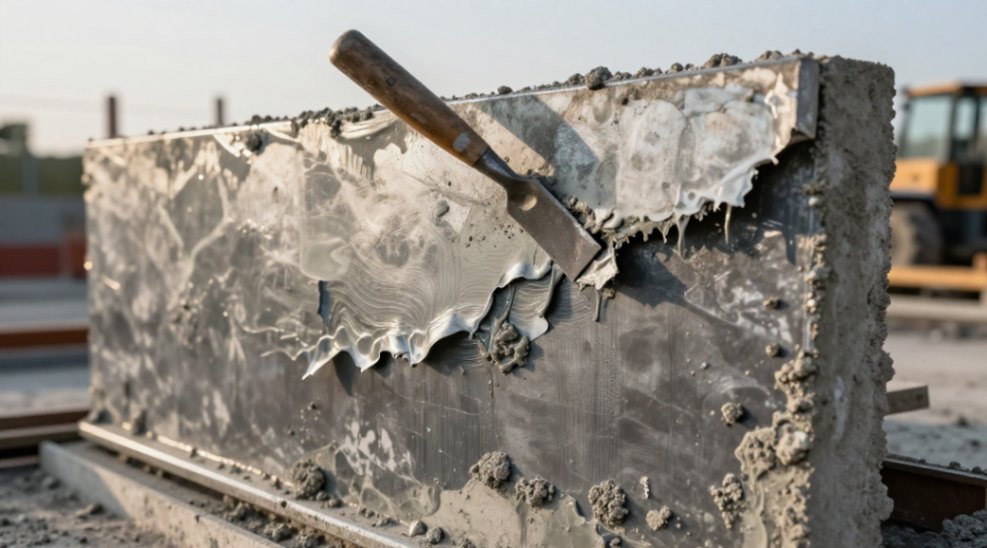
80% of the time, a bad demould isn’t a concrete problem. It’s a release agent failure. That sticky residue? The stain that won’t come off? The formwork you have to chip clean? Usually, that’s a choice made before the pour, not a flaw in the pour itself. We’ve spent decades watching crews fight the same battle: the battle against the release agent. Today, we’re breaking down the biggest mistake.
What You Should NEVER Do with a Release Agent
The core mistake is simple: assuming all release agents function the same. They don’t. Using a traditional, heavy petroleum-based oil like diesel or cheap mineral oil might seem cost-effective. It rarely is. This approach creates a cascade of hidden problems and costs that erode your profit and reputation.
The Three Hidden Costs of the Wrong Agent
First, you ruin the surface. Oily residues prevent proper adhesion of paints, sealants, or overlays. Your beautiful architectural finish is now compromised. Second, you endanger your crew. Fumes and skin contact with hydrocarbons are health risks no project should carry. Third, you create a disposal nightmare. Cleaning that gunk off forms isn’t just labour; it’s hazardous waste handling. Your “cheap” option just got very expensive.
The Clear Choice: How an Eco-Friendly Agent Solves This
An eco friendly concrete mould release agent works on a fundamentally different principle. Instead of laying down a thick, messy barrier, modern formulas use plant-based oils and bio-polymers to create a microscopic, reactive separation layer. They don’t just sit there; they interact with the form surface to prevent chemical bonding. The concrete cures normally, but it simply doesn’t stick.
The Logical Breakdown: Old vs. New
Logic dictates the winner. Let’s look at the side-by-side comparison.
| Factor | Traditional Petroleum Agent | Modern Eco Friendly Agent |
|---|---|---|
| Primary Mechanism | Thick, physical barrier coat | Thin, chemical separation layer |
| Surface Finish | High risk of staining, oily film | Clean, residue-free, paint-ready surface |
| Worker Safety | High VOCs, skin irritants, fumes | Low to zero VOCs, non-toxic, water-based options |
| Formwork Cleanup | Labor-intensive scrubbing, solvent use | Often just water rinse, extends form life |
| Environmental Impact | Potential soil/water contaminant | Biodegradable, lower toxicity |
| Long-Term Cost | High (cleanup, waste, rework) | Lower (less labor, no rework, no hazmat) |
Making the Switch: It’s a Process, Not a Product Toss
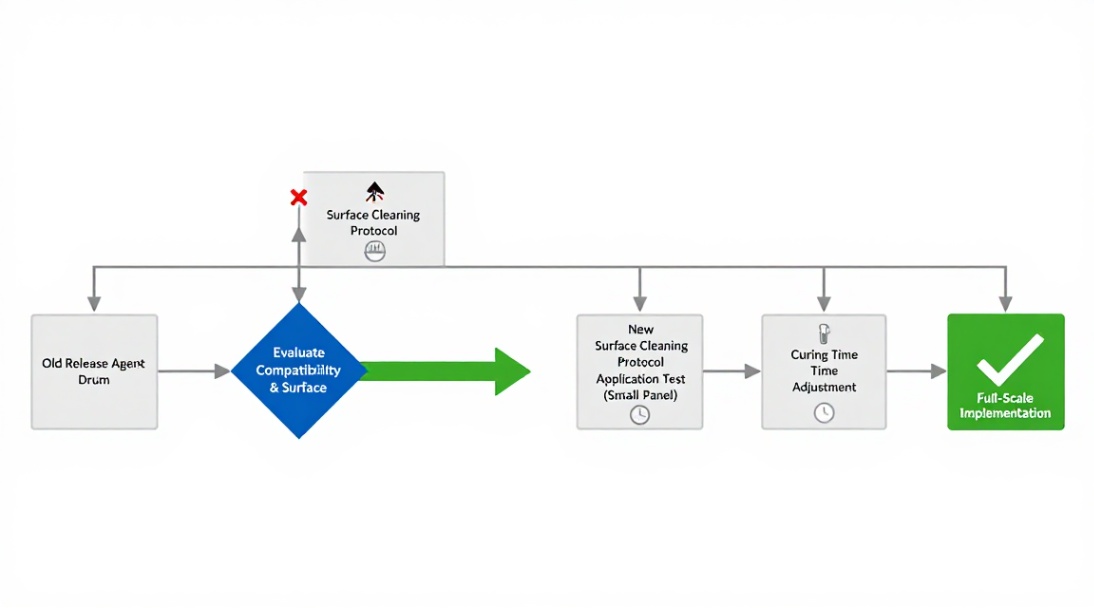
Switching agents isn’t just buying a different drum. You must adjust your method. Success depends on correct application.
The Right Application Method for Every Job
Spray Application (Most Common): Use a low-pressure, fine-mist sprayer. You are aiming for an even, sheen, not a dripping, wet coat. One liter should cover 20 to 30 square meters. Apply one thin coat, let it dry for 2-5 minutes (to touch), then apply a second coat at a 90-degree angle to the first for complete coverage.
Brush or Roller Application (For Detail or Small Areas): Use a short-nap roller or a clean, natural-bristle brush. Apply in a thin, uniform layer. The key is consistency. Avoid puddles in corners or on horizontal surfaces.
The Critical Pre-Application Step Everyone Skips
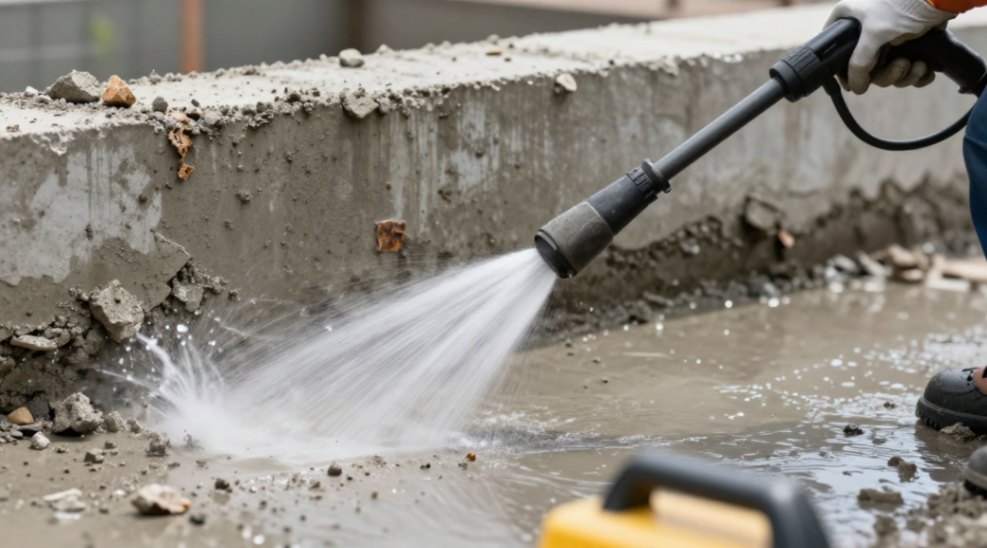
Clean your forms. It seems obvious, but we see it constantly. Any old concrete, rust, or dried oil will compromise any release agent, especially a eco friendly concrete mould release agent. Scrape, sand, or power-wash forms to a clean, sound substrate before you even think about applying the new agent.
What to Do Next
Stop guessing. The data and logic are clear. The next time you order supplies, make one change: swap out that old petroleum drum for a modern eco friendly concrete mould release agent. Start with a test on a non-critical pour or a small section of formwork. See the difference in the demould. Feel the difference in cleanup. Your crew, your project budget, and your final finish will thank you. It’s not just a product switch; it’s a process upgrade that pays for itself.
Supplier
We are the global leader in lightweight concrete and advanced engineered foam solutions. Known globally for its commitment to research, innovation, and applied expertise, we have been providing engineered foam solutions since the early 2012’s.
We can supply high-quality concrete admixture and foam concrete related products all over the world.
The company has a professional technical department and quality supervision department, a well-equipped laboratory, and equipped with advanced testing equipment and after-sales customer service center.
If you are interested, please feel free and contact us.