Concrete-mesa | Concrete Admixtures, Tools, and Production Machines

Admixtures Are Revolutionizing Modern Concrete Construction
1. Introduction
Just 48 hours ago, global construction giant LafargeHolcim announced a major partnership with Chryso to integrate next-generation superplasticizer and crystalline waterproofing admixtures into its low-carbon concrete mixes across North America—a move signaling the accelerating adoption of advanced concrete chemicals in sustainable infrastructure. This development underscores a broader trend: modern concrete is no longer just cement, water, and aggregate. Today, admixtures are essential components that fine-tune performance, reduce environmental impact, and expand design possibilities.
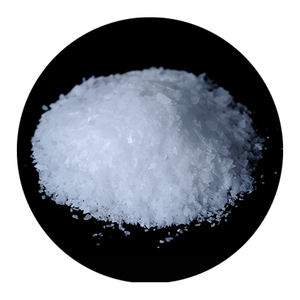
In this article, we’ll explore what admixtures are, why they matter, and how different types—from plasticizers to fibers and foaming agents—are transforming everything from sidewalks to skyscrapers. Whether you’re a contractor, engineer, or DIY enthusiast, understanding admixture types and their applications can help you choose the best admixture for concrete in any scenario.
2. What Are Admixtures?
Admixtures—sometimes spelled ‘ad mixtures’—are materials added to concrete before or during mixing to modify its properties. These concrete additives can enhance workability, control setting time, improve strength, add color, or provide waterproofing. Used correctly, admixtures make concrete more versatile, durable, and cost-effective without compromising structural integrity.
There are two broad categories: chemical admixtures and mineral admixtures. Chemical admixtures include superplasticizers, accelerators, retarders, and air-entraining agents. Mineral admixtures, like fly ash or silica fume, are finely ground materials that react with cement to improve long-term performance.
3. Common Types of Concrete Admixtures
The market offers dozens of concrete admixture types, each serving specific purposes. Here’s a breakdown of the most widely used categories:
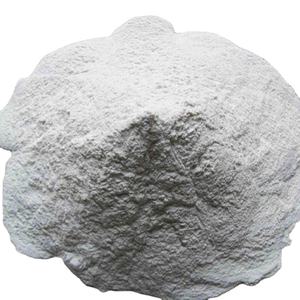
- Water reducing admixtures (also called concrete water reducers) decrease the water content needed for a given slump, boosting strength and durability. High-range water reducers are often synonymous with superplasticizers.
- Superplasticizers—such as polycarboxylate ether (PCE)-based superplasticizer admixtures—are among the most powerful concrete chemicals. They dramatically increase flowability without adding water, enabling self-consolidating concrete and complex architectural forms. PCE superplasticizers have largely replaced older naphthalene or melamine-based versions due to better performance and lower dosage requirements.
- Concrete accelerators shorten curing time, making them ideal for cold-weather pours or fast-track projects. Accelerating admixtures for concrete help achieve early strength, crucial when formwork needs early removal.
- Concrete retarders do the opposite—they delay setting, useful in hot climates or for long-haul deliveries. A concrete retarder admixture gives crews more time to place and finish large slabs.
- Air entraining admixtures introduce microscopic air bubbles into the mix, improving freeze-thaw resistance. This air entraining concrete technique is standard in northern regions where roads and bridges face harsh winters. The air entraining agent creates a more resilient pore structure without sacrificing strength.
- Waterproofing admixtures—including integral waterproofer, crystalline waterproofing admixture, and cement waterproofing additive—block moisture penetration from within. Unlike surface coatings, these concrete waterproofing additives become part of the matrix, offering long-term protection for basements, tunnels, and marine structures.
4. Fiber Reinforcement and Specialty Additives
Beyond traditional chemical admixtures, fibers are increasingly used as concrete additives fiber to enhance toughness and crack resistance. Fiber reinforced concrete includes options like polypropylene fibres for concrete, steel fibers for concrete, and even coconut fiber reinforced concrete for sustainable builds.
Macro fibers and microfibers serve different roles: macro fibers (like steel or synthetic) provide structural reinforcement, while microfibers (such as pp fiber concrete) control plastic shrinkage cracks. Products like Fibermesh concrete combine both for optimal performance. Though not a replacement for rebar, fiberfor concrete significantly reduces maintenance and extends service life.
Foaming agents represent another innovation. Used in foam concrete or CLC (cellular lightweight concrete), a concrete foaming agent creates air-filled voids, yielding ultra-lightweight blocks with good insulation. Protein-based and synthetic foaming agents are common, with CLC foaming agent price varying by region and performance grade.
5. Aesthetic and Functional Enhancements
Admixtures aren’t just about strength—they also enable beauty. Colored concrete, achieved with tinted concrete powders or stains, allows for stamped concrete colors ranging from charcoal to terra cotta. When paired with a quality concrete release agent (like powder release agent or spray release), intricate stamped concrete patterns and colors emerge cleanly from molds.
White cement is another specialty material gaining traction for countertops, facades, and decorative elements. Often used with superplasticizer in concrete to maintain fluidity without graying, white Portland cement delivers a clean, modern look—especially in white concrete countertops or pavers.
For exterior cladding, concrete siding—such as Hardie concrete siding or CertainTeed products—offers durability and a wood-like appearance. Modern concrete siding that looks like wood combines fiber cement technology with realistic textures, making it a popular choice for homes seeking low-maintenance, fire-resistant exteriors.
6. Choosing the Right Admixture
Selecting the best admixture for concrete depends on climate, application, and performance goals. For high-strength precast elements, a polycarboxylate superplasticizer might be ideal. For basement walls, a crystalline waterproofing admixture ensures long-term dryness. In hot weather, a surface retarder concrete or admixture retarder keeps the mix workable.
Brands like Chryso admixture offer tailored solutions, but always consult technical data sheets and consider compatibility with your cement type. Never assume all super plasticizers behave the same—PCE-based formulations differ significantly from SNF (naphthalene sulfonate) types in slump retention and sensitivity to cement chemistry.
7. Conclusion
From superplasticizer admixture enabling ultra-high-performance concrete to air entraining agents protecting infrastructure in freezing climates, admixtures are indispensable in modern construction. As sustainability demands grow, expect even smarter concrete chemicals—like bio-based retarders or carbon-capturing mineral admixtures—to enter the market. Whether you’re pouring a patio or building a bridge, understanding admixture used in concrete empowers better, longer-lasting results.
Our Website founded on October 17, 2012, is a high-tech enterprise committed to the research and development, production, processing, sales and technical services of ceramic relative materials such as Admixtures. Our products includes but not limited to Boron Carbide Ceramic Products, Boron Nitride Ceramic Products, Silicon Carbide Ceramic Products, Silicon Nitride Ceramic Products, Zirconium Dioxide Ceramic Products, etc. If you are interested, please feel free to contact us.