Concrete4U | Concrete Admixtures, Tools, and Production Machines

Superplasticizers vs. Air Entrainers: The Great Concrete Admixture Showdown
1. Introduction
Just 36 hours ago, a major infrastructure project in Texas made headlines when engineers credited advanced concrete admixtures—specifically a next-gen polycarboxylate superplasticizer—for enabling record-setting pour speeds without compromising strength. As climate resilience and build efficiency dominate construction trends, the role of chemical admixtures has never been more critical. Forget the old image of gray sludge; today’s concrete is a high-tech composite engineered down to the molecular level using precisely dosed concrete chemicals.
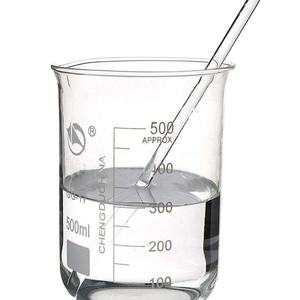
Admixtures aren’t just additives—they’re the secret sauce that transforms ordinary cement into performance-tuned material capable of flowing like silk, resisting freeze-thaw cycles, or even curing in half the time. With over 50 keyword-packed variations—from ‘superplasticizer in concrete‘ to ‘crystalline waterproofing admixture’—it’s easy to get lost in the jargon jungle. So let’s cut through the noise and compare two heavyweights: superplasticizers and air-entraining admixtures.
2. Superplasticizers: The Flow Masters
When you hear ‘superplasticizer,’ think of it as the espresso shot for sluggish concrete. These water reducing admixtures dramatically increase workability without adding extra H2O—which would weaken the final product. The two main contenders? Naphthalene-based superplasticizers (SNF) and polycarboxylate ether (PCE)-based superplasticizers.
Naphthalene sulfonate formaldehyde condensates have been around since the 1960s. They’re cost-effective and reliable, especially in precast operations. But they come with drawbacks: higher dosage requirements, sensitivity to cement chemistry, and a tendency to lose slump over time. Enter PCE superplasticizers—the sleek, modern alternative. Polycarboxylate ether molecules are engineered like comb-shaped polymers that disperse cement particles with surgical precision. The result? Ultra-high flow (hello, self-consolidating concrete!), lower water-cement ratios, and better long-term strength. Plus, PCEs play nicer with supplementary cementitious materials like fly ash or slag.
- Best for high-strength, low-permeability applications (think skyscrapers or bridges)
- Enable up to 40% water reduction vs. traditional mixes
- More expensive upfront but often more cost-effective per unit of performance
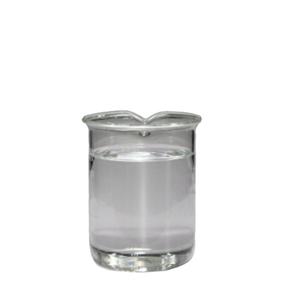
3. Air Entraining Admixtures: The Freeze-Thaw Fighters
While superplasticizers make concrete flow, air entraining admixtures make it survive. These concrete additives introduce millions of microscopic, stable air bubbles into the mix—acting like tiny pressure-relief valves during freezing conditions. Without them, water expands as it freezes, cracking concrete from within like an overzealous ice cube tray.
Air entraining agents are typically surfactants derived from vinsol resin, synthetic detergents, or protein-based compounds. When properly dosed, they create a uniform bubble structure that improves durability without significantly sacrificing compressive strength (usually a 5–10% trade-off). Crucially, air entraining concrete isn’t just for Arctic climates—any region with seasonal moisture and temperature swings benefits. In fact, most highway departments mandate air entrainment in pavements.
Unlike superplasticizers, which target rheology, air entrainers focus on longevity. They’re non-negotiable for exterior slabs, driveways, and marine structures. And don’t confuse them with foaming agents used in lightweight CLC blocks—that’s a whole different beast involving macroscopic voids for insulation, not micro-bubbles for durability.
4. Other Key Admixture Types: Where Do They Fit?
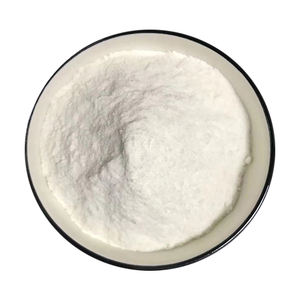
Beyond these two stars, the admixture universe includes several supporting players. Concrete accelerators shorten setting time—ideal for fast-track repairs or cold-weather pours—while concrete retarders (or surface retarder concrete products) delay hydration for decorative stamped concrete finishes. Waterproofing admixtures like crystalline or integral waterproofer types react with moisture to form insoluble crystals that block capillary pores, offering permanent protection without surface membranes.
Then there’s fiber reinforcement. From polypropylene fibres for concrete crack control to steel fibers for impact resistance, these aren’t chemical admixtures but physical additives. Still, they’re often grouped under ‘concrete additives’ and can be combined with superplasticizers to maintain workability in fiber-reinforced concrete mixes. Coconut fiber concrete? Interesting experiment—but not yet mainstream.
And let’s not forget release agents! While not part of the mix itself, powder release agent for concrete or water-based release sprays ensure your beautifully stamped charcoal or terra cotta patterns pop cleanly from molds—critical for colored and stamped concrete aesthetics.
5. Choosing the Best Admixture for Concrete: It’s Contextual
So, what’s the best admixture for concrete? Spoiler: there’s no universal winner. A bridge deck in Minnesota needs robust air entraining plus a mid-range water reducer. A high-rise core wall in Dubai demands PCE superplasticizer for pumpability and minimal shrinkage. A backyard patio with stamped brown concrete? You’ll likely use a concrete retarder admixture, color powder, and a quality release agent—but skip the air entrainer if you’re in a dry climate.
Brands like Chryso offer tailored solutions, but understanding the underlying chemistry matters more than the label. Always consider compatibility: some superplasticizers interact poorly with certain air entrainers, causing excessive bleeding or foam collapse. Lab trials are non-negotiable for critical projects.
6. Conclusion
Concrete admixtures have evolved from simple helpers to essential performance multipliers. Whether you’re leveraging polycarboxylate superplasticizer for fluidity or relying on air entraining cement for winter resilience, the right admixture choice can mean the difference between a structure that lasts decades—or one that cracks by next spring. In the great admixture showdown, it’s not about who’s strongest—it’s about who fits the mission. So next time you see a sleek concrete facade or a flawless driveway, tip your hard hat to the invisible chemistry making it all possible.
Our Website founded on October 17, 2012, is a high-tech enterprise committed to the research and development, production, processing, sales and technical services of ceramic relative materials such as Superplasticizers. Our products includes but not limited to Boron Carbide Ceramic Products, Boron Nitride Ceramic Products, Silicon Carbide Ceramic Products, Silicon Nitride Ceramic Products, Zirconium Dioxide Ceramic Products, etc. If you are interested, please feel free to contact us.