Concrete4U | Concrete Admixtures, Tools, and Production Machines

Superplasticizers vs. Traditional Water Reducers: Which Concrete Admixture Delivers Better Performance?
1. Introduction
Just 24 hours ago, a major infrastructure project in Texas made headlines by switching from conventional naphthalene-based superplasticizers to next-generation polycarboxylate ether (PCE) admixtures to accelerate bridge deck construction without compromising strength. This real-world shift highlights a growing industry trend toward high-performance concrete chemicals that offer greater control, sustainability, and efficiency. As demand surges for durable, fast-curing, and eco-friendly concrete, understanding the nuances between different admixture types has never been more critical.
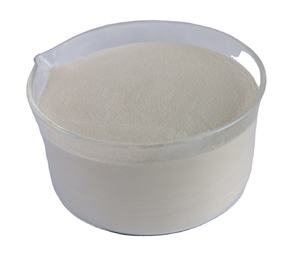
Concrete admixtures—often called ‘concrete additives’ or ‘ad mixtures’—are chemical compounds added to concrete mixes to modify their properties during mixing, placing, or curing. From improving flowability to enhancing freeze-thaw resistance, these concrete chemicals play a pivotal role in modern construction. Among the most widely used are water reducing admixtures, especially superplasticizers, which dramatically increase workability while cutting water content.
2. Understanding Superplasticizers and Water Reducers
Water reducers and superplasticizers fall under the broader category of concrete admixture types designed to improve workability without adding extra water. While all superplasticizers are water reducers, not all water reducers qualify as superplasticizers. The key difference lies in their water-reduction capacity and molecular structure.
- Mid-range water reducers typically cut water content by 5–10%.
- High-range water reducers—also known as superplasticizers—can reduce water by 15–40%, enabling self-consolidating or high-strength concrete.
The term ‘superplasticizer’ is often used interchangeably with ‘super plasticizers’ or ‘plasticizer for concrete,’ though technically, true superplasticizers belong to the high-range category. Common names include concrete plasticiser (British spelling), superplasticizer admixture, and concrete water reducer.
3. Naphthalene-Based Superplasticizers: The Legacy Option
Naphthalene sulfonate formaldehyde condensate (SNF) has been a staple in concrete technology since the 1960s. Known as naphthalene-based superplasticizer or SNF superplasticizer, it works by dispersing cement particles through electrostatic repulsion.
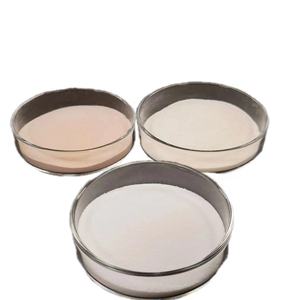
Advantages include cost-effectiveness, wide availability, and reliable performance in standard applications. Many contractors still rely on it for precast elements, foundations, and general-purpose concrete where extreme slump retention isn’t required.
However, naphthalene-based systems have notable drawbacks. They offer limited slump retention—meaning concrete can lose workability within 30–60 minutes—making them less suitable for long-haul deliveries or hot-weather pours. Additionally, they’re derived from petrochemicals, raising environmental concerns compared to newer alternatives.
4. Polycarboxylate Ether (PCE) Superplasticizers: The Modern Standard
Polycarboxylate ether (PCE), also marketed as PCE superplasticizer or polycarboxylate-based superplasticizer, represents the current gold standard in high-performance concrete admixtures. Unlike SNF, PCE uses steric hindrance—long polymer chains that physically prevent cement particles from clumping—to achieve superior dispersion.
This mechanism delivers several advantages: extended slump retention (up to 2+ hours), higher water reduction (enabling compressive strengths over 100 MPa), and compatibility with supplementary cementitious materials like fly ash or slag. PCE-based products are also more environmentally friendly, with lower toxicity and reduced carbon footprint.
Because of these benefits, PCE is increasingly specified in demanding applications such as high-rise cores, tunnel linings, and ultra-high-performance concrete (UHPC). Leading brands like Chryso admixture now offer tailored PCE formulations for specific needs—such as fast curing concrete additives or viscosity-modifying versions for underwater placement.
5. Practical Considerations: Cost, Compatibility, and Application
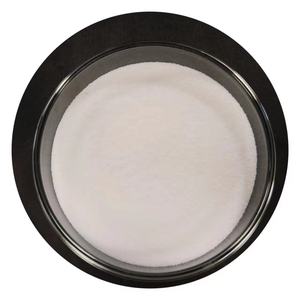
When choosing between naphthalene and PCE superplasticizers, cost remains a factor. SNF is generally cheaper per kilogram, but PCE’s efficiency often leads to lower dosage rates and better overall value—especially when factoring in reduced cement usage or faster formwork turnover.
Compatibility is another key issue. PCE admixtures can be sensitive to certain cements or other additives (e.g., some air entraining agents), requiring careful trial batching. In contrast, naphthalene systems are more forgiving but less versatile.
For projects needing rapid strength gain, accelerating admixtures for concrete may be combined with either type—but PCE blends better with modern concrete accelerator curing time enhancers. Similarly, when waterproofing is required, PCE can be paired with crystalline waterproofing admixture or integral waterproofer without losing effectiveness.
6. Beyond Superplasticizers: Other Critical Admixture Types
While superplasticizers dominate discussions around workability, other admixture types are equally vital. Concrete retarder admixtures delay setting in hot climates, while surface retarder concrete products enable decorative exposed-aggregate finishes.
Air entraining admixture introduces microscopic air bubbles to improve freeze-thaw resistance—essential in northern climates. These air entraining agents create air entraining concrete that meets ASTM C233 standards.
For durability, waterproofing admixture for concrete—including cement waterproofing additive and concrete waterproof admix—protects structures from chloride ingress and moisture damage. Meanwhile, fiber reinforcement (polypropylene fibres for concrete, steel fibers for concrete, or even coconut fiber reinforced concrete) enhances crack resistance and impact strength in fiber reinforced concrete mixes.
7. Conclusion
The choice between naphthalene-based and polycarboxylate superplasticizers isn’t just about chemistry—it’s about matching the right admixture to the project’s performance, timeline, and sustainability goals. While traditional water reducers still have their place, PCE-based superplasticizers offer unmatched control, efficiency, and versatility for today’s complex concrete challenges. Whether you’re pouring a driveway or a skyscraper core, selecting the best admixture for concrete starts with understanding these critical differences.
Our Website founded on October 17, 2012, is a high-tech enterprise committed to the research and development, production, processing, sales and technical services of ceramic relative materials such as Superplasticizers. Our products includes but not limited to Boron Carbide Ceramic Products, Boron Nitride Ceramic Products, Silicon Carbide Ceramic Products, Silicon Nitride Ceramic Products, Zirconium Dioxide Ceramic Products, etc. If you are interested, please feel free to contact us.