Concrete4U | Concrete Admixtures, Tools, and Production Machines

How Advanced Admixtures Are Revolutionizing Fiber-Reinforced Concrete for Modern Siding
1. Introduction
Just 24 hours ago, CertainTeed announced a major expansion of its fiber cement siding production lines in North America, citing surging homeowner demand for low-maintenance, fire-resistant, and wood-like exteriors. This move highlights a growing trend: modern concrete siding isn’t just about cement and sand—it’s powered by sophisticated concrete chemicals that transform performance and appearance. At the heart of this innovation? Advanced admixtures.
From superplasticizers that boost flow without extra water to crystalline waterproofing admixtures that block moisture for decades, these concrete additives are redefining what’s possible in fiber-reinforced concrete used for homes. Let’s dive into how specific admixture types are making today’s concrete fiber siding stronger, sleeker, and more sustainable.
2. The Role of Superplasticizers in Fiber Cement Siding
When manufacturing fiber cement siding—like HardiePlank or CertainTeed CedarBoards—producers need a mix that’s fluid enough to coat cellulose or synthetic fibers evenly but stiff enough to hold shape during curing. That’s where superplasticizer in concrete becomes essential.
Superplasticizers, particularly polycarboxylate ether (PCE)-based formulations, act as high-range water reducers. They allow manufacturers to slash water content by up to 40% while maintaining workability. This results in denser, stronger panels with fewer voids—critical for long-term durability against rain, wind, and UV exposure.
Unlike older naphthalene or melamine-based superplasticizers, modern PCE superplasticizers offer better slump retention and compatibility with polypropylene fibres for concrete. This synergy ensures uniform fiber dispersion, preventing clumping and weak spots in the final product.
3. Waterproofing Admixtures: Beyond Surface Coatings
One of the biggest challenges with traditional cement siding was moisture absorption, leading to warping or freeze-thaw damage. Today’s best admixture for concrete siding includes integral waterproofers that work from within.
Crystalline waterproofing admixture is a standout here. When added to the mix, it reacts with water and unhydrated cement particles to form insoluble crystals that permanently block capillary pores. Unlike topical sealants that wear off, this admixture waterproofing lasts the life of the structure.
Other popular options include cement waterproofing additive blends and hydrophobic concrete waterproof admix systems. These not only repel water but also resist mold and efflorescence—key selling points for homeowners seeking clean, maintenance-free exteriors.
4. Fiber Reinforcement + Chemical Admixtures = Superior Performance
Fiber reinforced concrete isn’t new, but its application in architectural siding has evolved dramatically. Modern concrete siding uses macro fibers (like polypropylene or steel fibers for concrete) alongside microfibers to control cracking and improve impact resistance.
However, adding fibers can make the mix sticky and hard to process. That’s where plasticizer for concrete and concrete water reducer admixtures come in. A well-balanced plasticizer admixture improves cohesion without segregation, ensuring smooth extrusion or molding during production.
Additionally, accelerating admixtures for concrete help achieve fast curing concrete additives benefits—cutting demolding time by hours. This boosts factory throughput without sacrificing strength, especially when paired with concrete accelerator curing time optimizers.
5. Supporting Cast: Retarders, Air Entrainers, and Release Agents
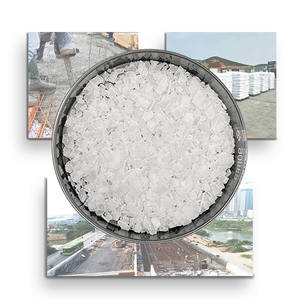
Not all admixtures speed things up. In hot climates or large production runs, a concrete retarder admixture prevents premature setting, giving workers more time to finish surfaces. Surface retarder concrete variants are even used to create textured finishes by delaying the set on the top layer.
Air entraining admixture plays a quieter but vital role. By introducing microscopic air bubbles, it enhances freeze-thaw resistance—essential for homes in northern regions. This air entraining concrete technique doesn’t weaken the panel; instead, it adds resilience.
Finally, during molding, a quality concrete release agent (often water-based or powder-based) ensures clean demolding without surface defects. Brands like Brickform Liquid Release are commonly used to preserve intricate wood-grain patterns in stamped and colored concrete siding.
6. Real-World Impact: Cost, Aesthetics, and Sustainability
Thanks to these advanced concrete additives, modern concrete siding now convincingly mimics cedar, redwood, or even stone—at a fraction of the cost and maintenance. Home Depot and other retailers report soaring sales of concrete siding that looks like wood, driven by innovations in tinted concrete and stamping techniques.
Moreover, using mineral admixture and recycled fibers (like coconut fibre concrete variants in experimental mixes) reduces the carbon footprint. And because these panels last 50+ years with zero painting or sealing, they’re a sustainable choice for eco-conscious builders.
7. Conclusion
The future of exterior cladding lies at the intersection of chemistry and construction. From superplasticizer admixture to crystalline waterproofing admixture, today’s concrete chemicals are turning ordinary cement into high-performance, beautiful, and resilient building skins. As brands like Hardie and CertainTeed scale up, expect even smarter admixture formulations—making fiber cement siding not just an alternative to wood, but a superior one.
Our Website founded on October 17, 2012, is a high-tech enterprise committed to the research and development, production, processing, sales and technical services of ceramic relative materials such as How. Our products includes but not limited to Boron Carbide Ceramic Products, Boron Nitride Ceramic Products, Silicon Carbide Ceramic Products, Silicon Nitride Ceramic Products, Zirconium Dioxide Ceramic Products, etc. If you are interested, please feel free to contact us.